Search in Las Palmas de Gran Canaria




History
-
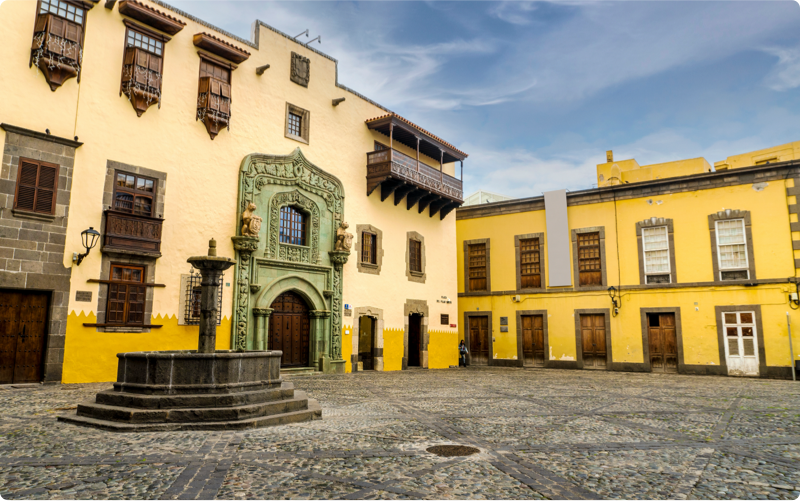
El Real de las Tres Palmas
On 24 June 1478, an army sent by the Crown of Castile established a military camp near the mouth of the Guiniguada ravine. Around this settlement, the founding district of Vegueta was built—the seed of what is today Las Palmas de Gran Canaria. The Real de las Tres Palmas became Europe’s first overseas urban centre.
-
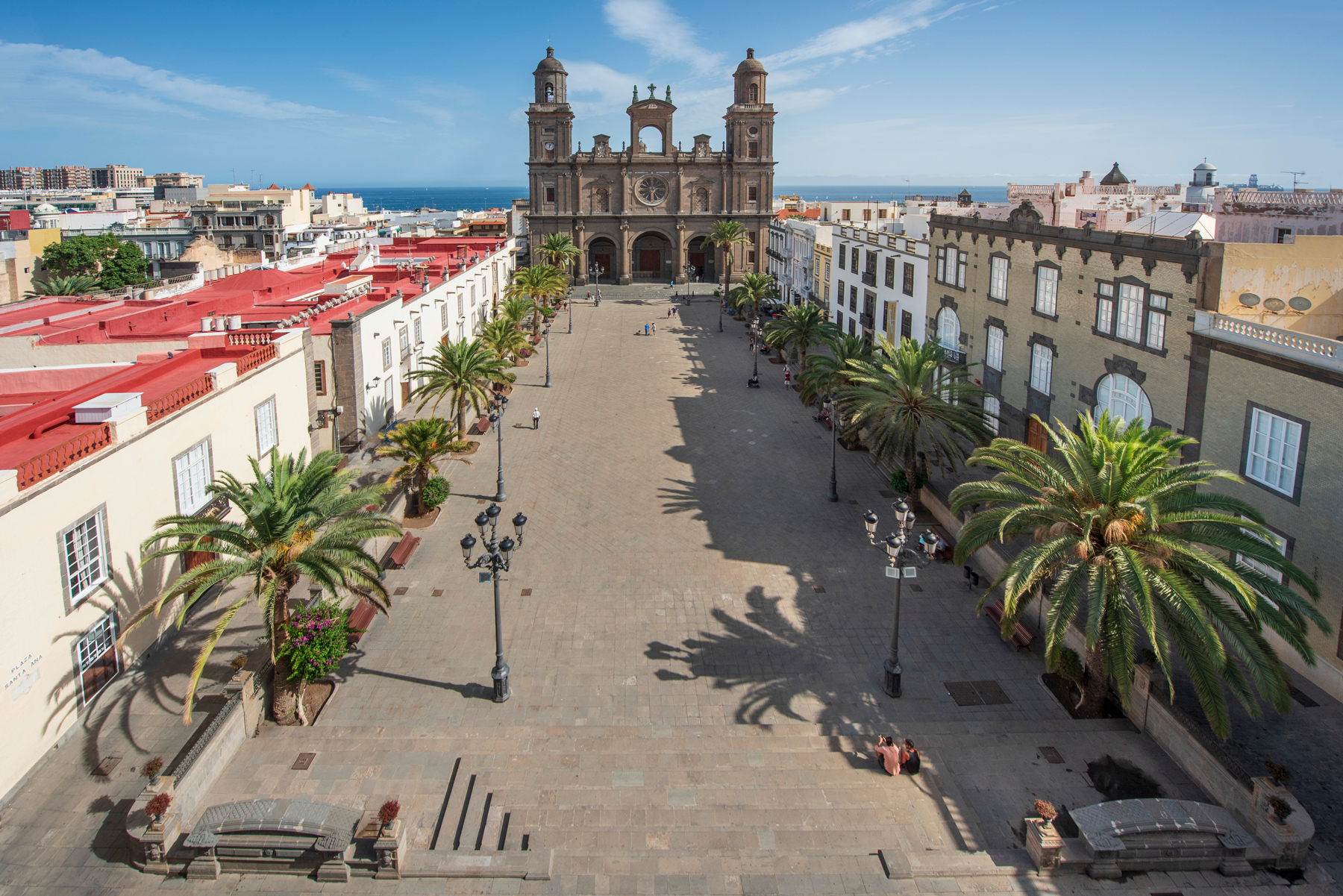
The foundational neighborhood
Vegueta continues to preserve the city’s historical legacy. The construction of Plaza de Santa Ana in the early 16th century marked the urban development of the district. Conceived as an administrative and religious centre, the placement of the Cathedral and the Casas Consistoriales facing each other became a model later replicated in settlements across the Americas, making the capital of Gran Canaria a precursor of that urban development. It also stands as a city with a historic centre unique within Spain.
-
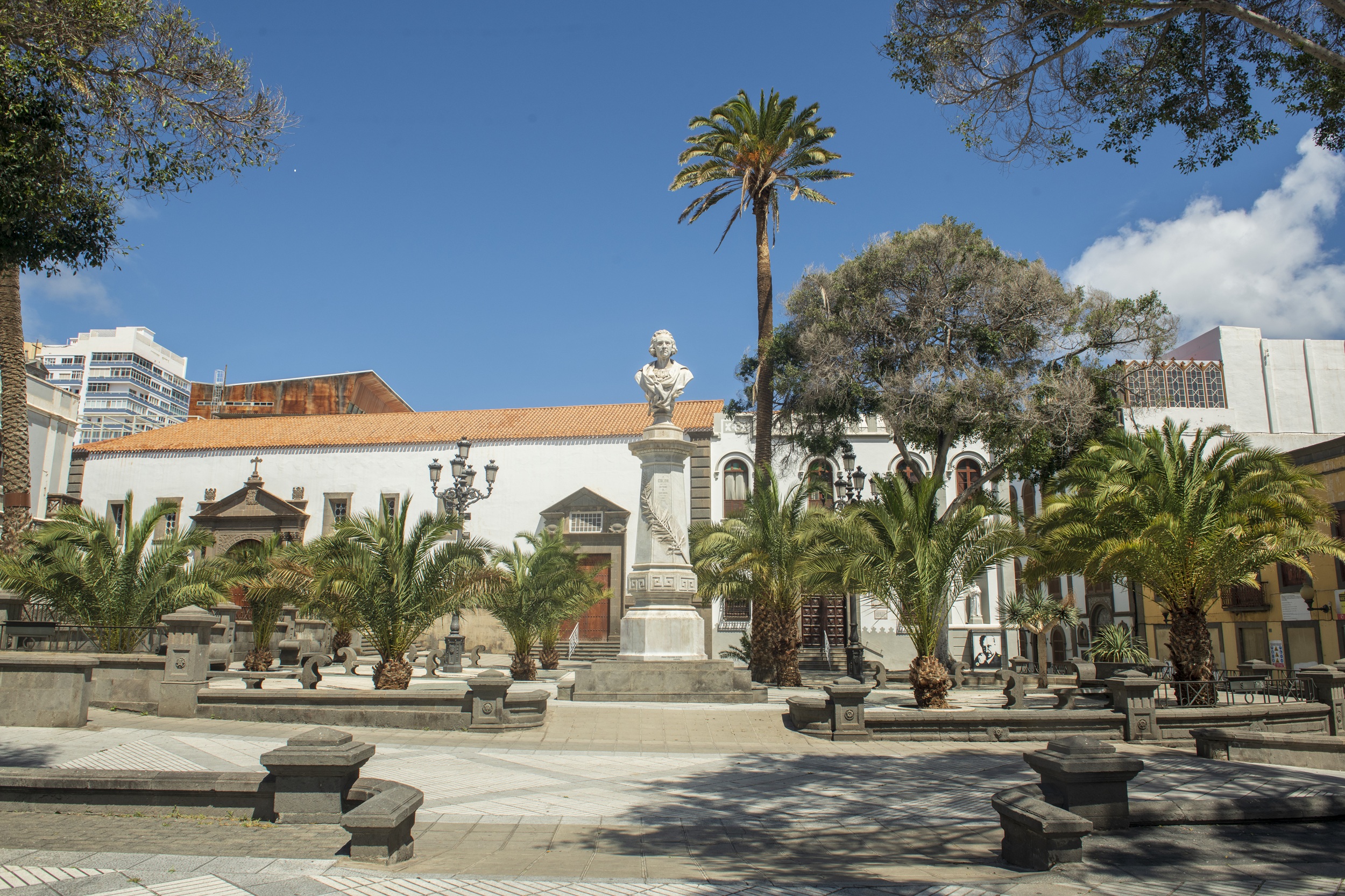
The footprint of Columbus
In 1492, Christopher Columbus set out on an expedition in search of a new route to the East Indies, sailing west across the Atlantic. During this voyage, he stopped along the coast of Gran Canaria to repair the rudder of one of his ships. In this way, Columbus linked the history of Las Palmas de Gran Canaria to the Americas. On three of his four voyages, the navigator called at the island. Since then, the city’s Americanist vocation has been one of the key factors shaping its development.
-
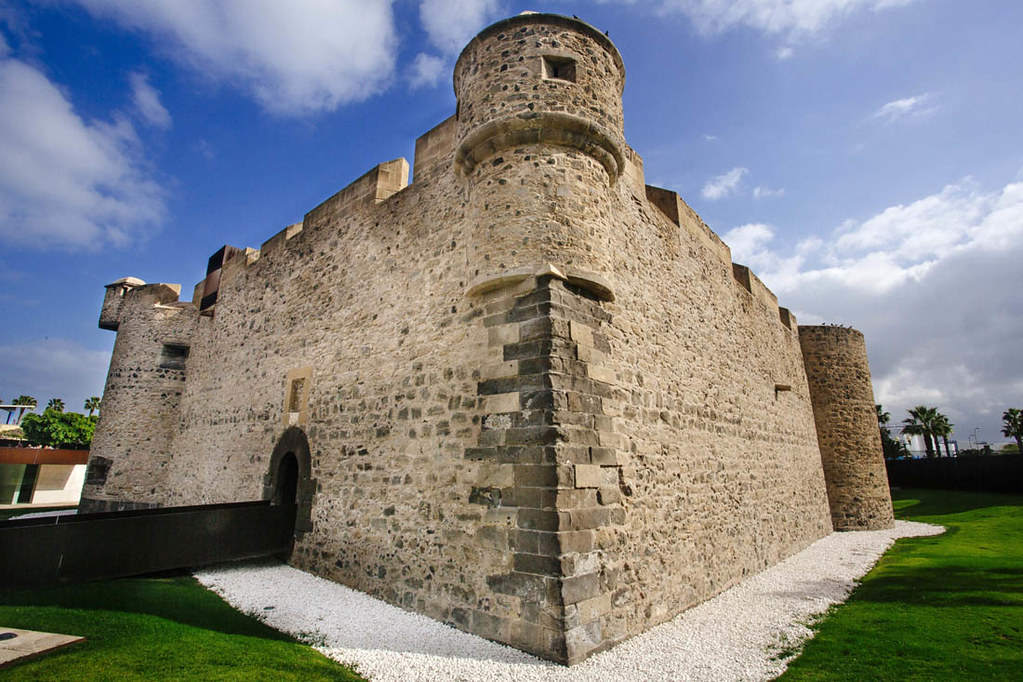
Against corsairs and pirates
The Canary Islands were always a tempting target for pirates, especially corsairs. These maritime attacks led to the construction of defensive fortifications shortly after the founding of the city. In 1494, Castillo de La Luz was built; in 1577, the Torreón de San Pedro Mártir, Castillo de Mata and the city walls followed.
John Hawkins and Francis Drake attempted to land in 1595, without success. Pieter van der Does, however, managed to do so in 1599. It was the largest pirate assault the city ever suffered, and during their retreat the attackers burned and looted the city, even carrying off the bells of the Cathedral.
-
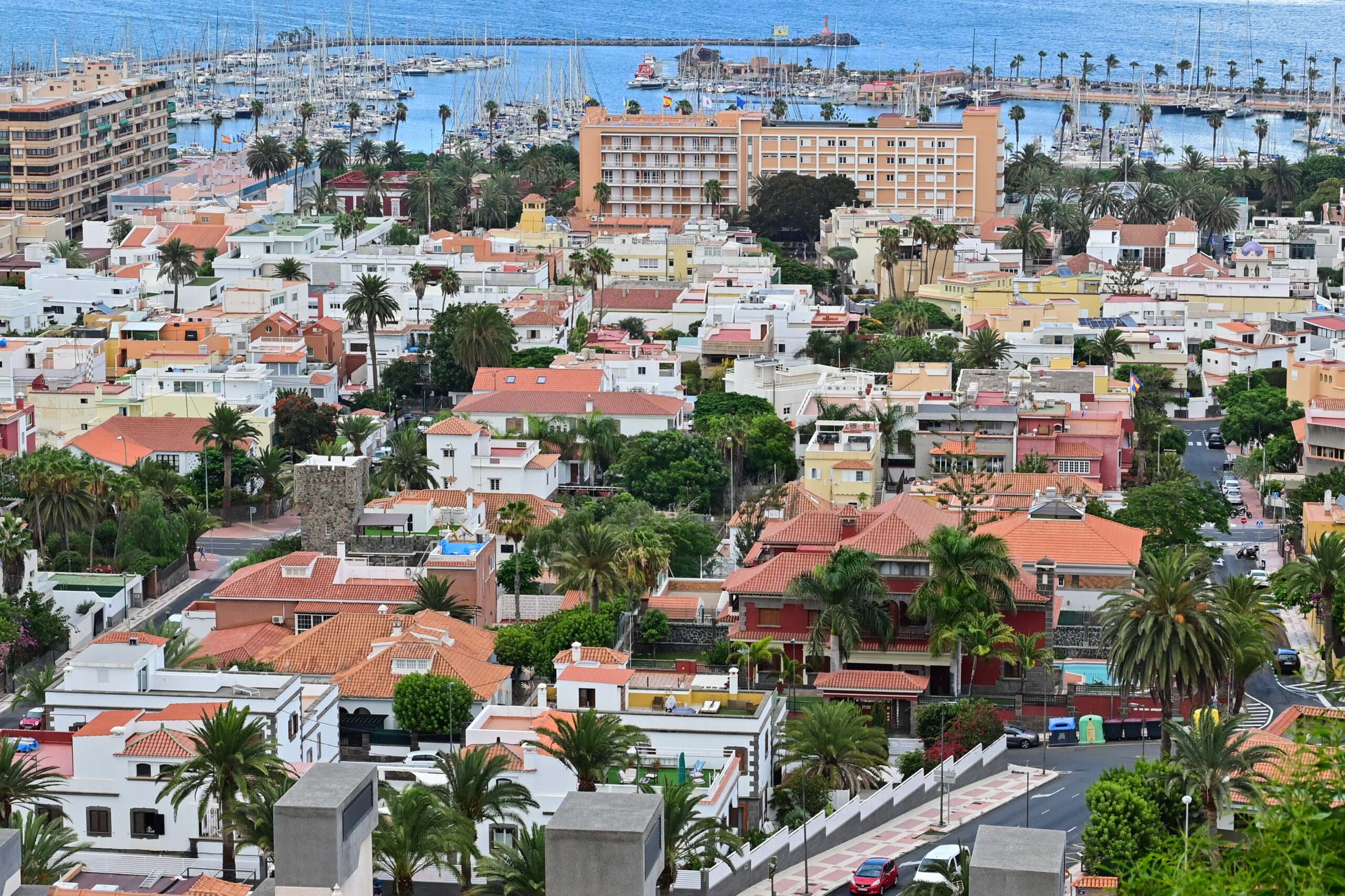
The British legacy
Puerto de La Luz, Hotel Santa Catalina, the Elder and Miller buildings, the British Club, Queen Victoria Hospital, the Anglican Church, the English Cemetery, the Real Club de Golf… these are just some of the tangible examples of the British legacy in the city. The first British families began to settle in the capital of Gran Canaria in the early 19th century, attracted by its role as an intermediate enclave on the route to their African colonies, a place for trade and business, and also for enjoying the climate, beaches and landscapes.
-
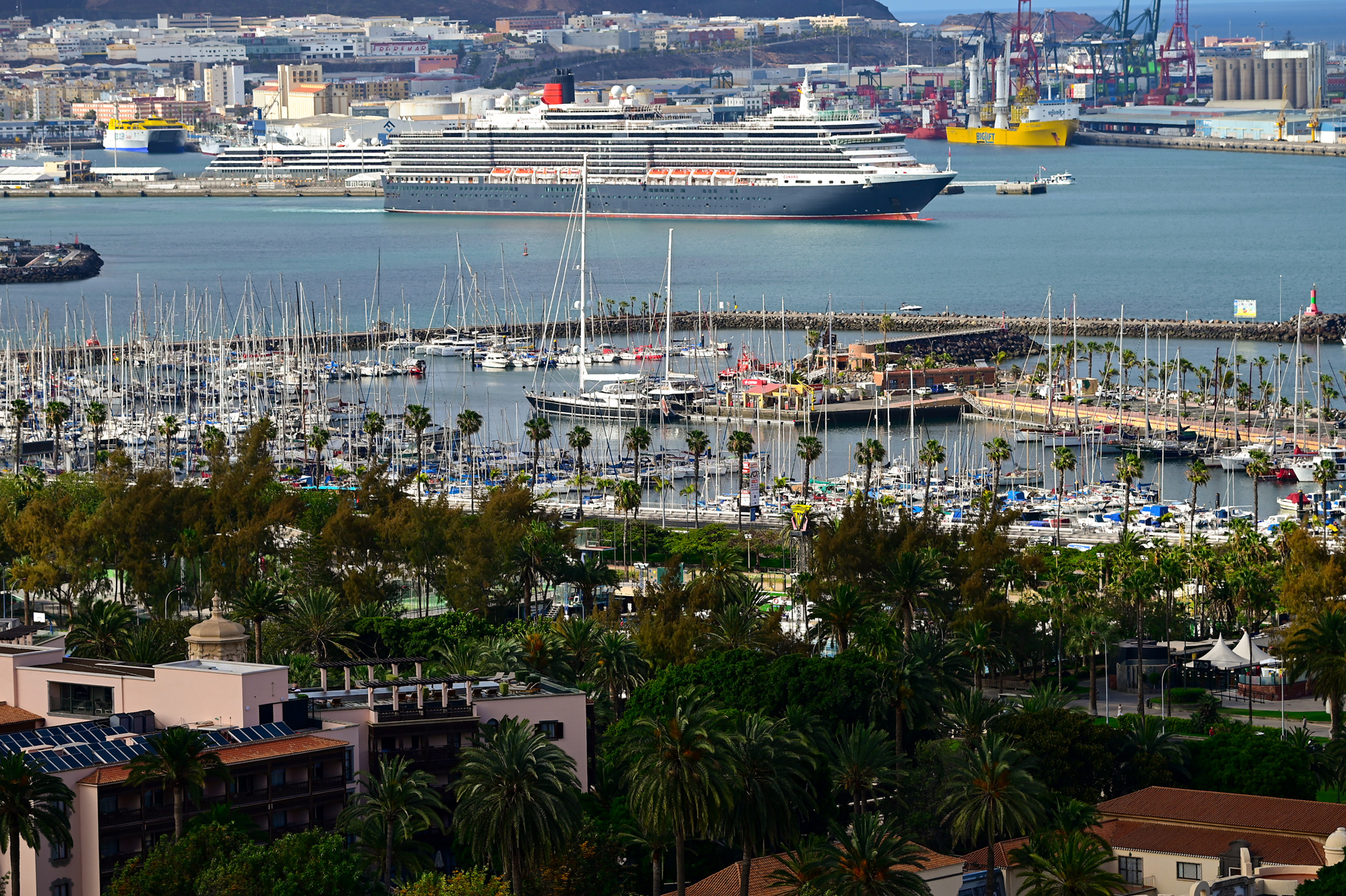
The port, engine of the city
The history of the capital of Gran Canaria is closely linked to its role as a port city. Christopher Columbus placed it on the map as a stopover and supply base for ships crossing the mid-Atlantic. The first dock, inaugurated in 1811, was located in the San Telmo area, in the old part of the city.
On 26 February 1883, the British Swanston company began construction of Puerto de La Luz (today Puerto de Las Palmas) in the La Isleta Bay, an ideal location thanks to its natural conditions for port activity. This marked the beginning of the city’s economic, social and cultural transformation.
-
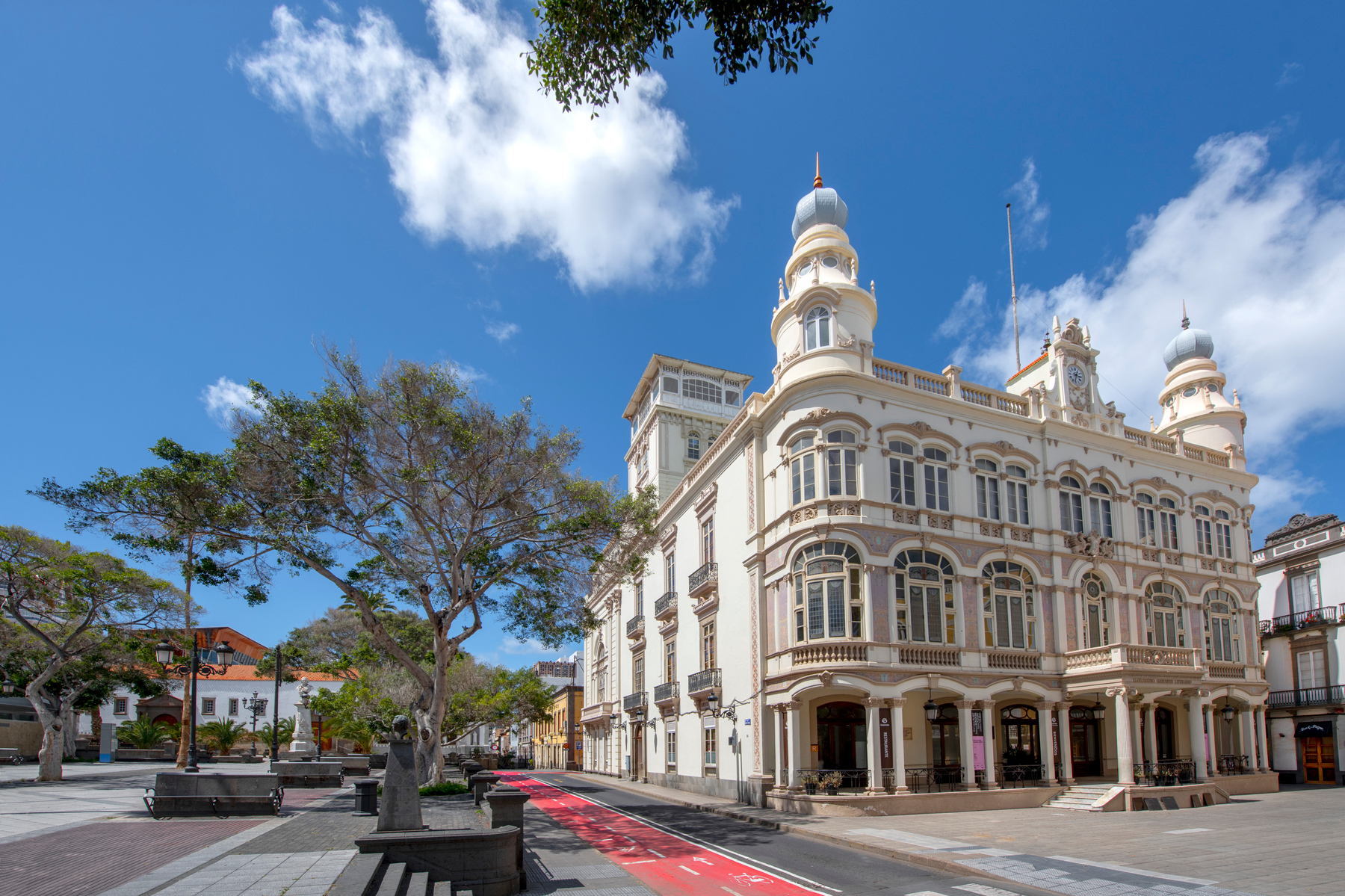
Cultural and scientific development
In the mid-19th century, Las Palmas de Gran Canaria experienced a period of prosperity and progress. It was during this time that, through the initiative of distinguished citizens, three institutions were founded that still endure today and became fundamental pillars in fostering the city’s cultural life and promoting social and scientific development: the Sociedad Filarmónica de Las Palmas, El Museo Canario, and the Gabinete Literario.
-
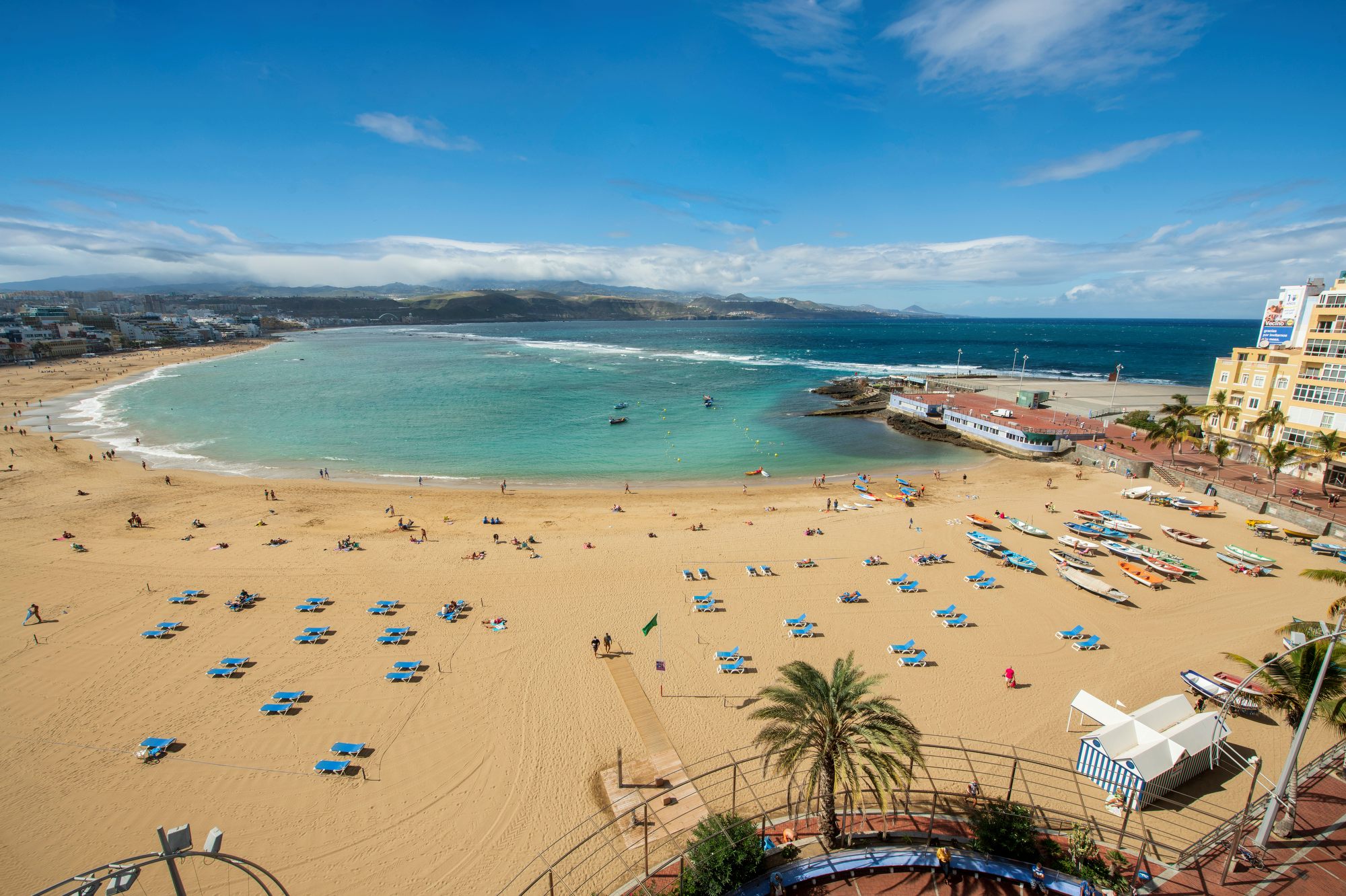
Tourist attraction
The writer and “queen of crime fiction” Agatha Christie travelled around the Canary Islands in the 1920s and 1930s and stayed at the Hotel Metropole, one of the city’s first hotels, along with Hotel Santa Catalina. The British were the first to recognise the virtues and beauty of Las Palmas de Gran Canaria, and through them came the first establishments and the beginnings of tourism in the city and across the rest of the island. Today, tourism is the main driving force of the Canary Islands’ economy.
-
From the island to the world
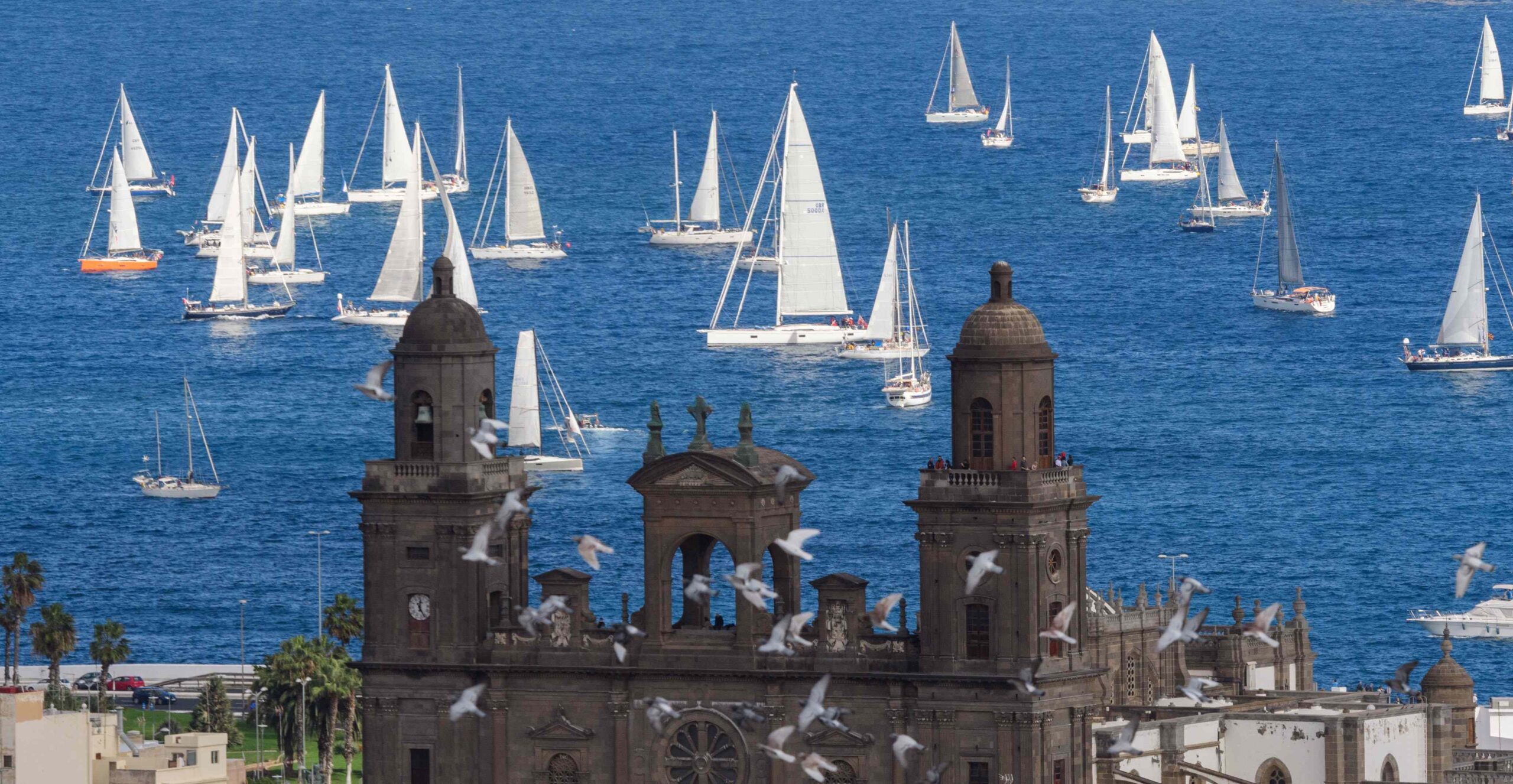
Las Palmas de Gran Canaria is the main international port in the mid-Atlantic and a major generator of economic activity and employment. Through its port, the city has absorbed a wide range of cultural influences: Italians left their mark by establishing it as a strategic link in commercial transit routes; it has served as a stopover for great artists travelling between continents; it was a base for the international fishing fleet operating off the coast of North Africa; and today, in the 21st century, it hosts major offshore companies with operations in the Gulf of Guinea. The city regularly welcomes and bids farewell to cruise ships and continues to hold a privileged position as a bridge between continents.
Today, the city has established itself as the leading urban destination in the Canary Islands. With 380,000 inhabitants, it is the ninth most populous provincial capital in Spain and the administrative, economic, cultural and commercial centre of the archipelago.


